Small breed
Italian Greyhound Puppies
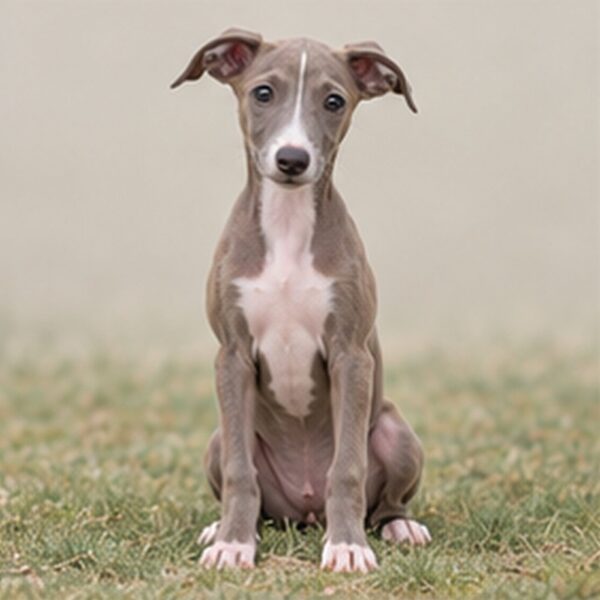
Many have likened the Italian greyhound to the African Jackal, it is not impossible that the species originated from Africa as a direct descendant of the Jackal. During the course of history, the smallest of the Sighthound family was used as a hunting dog, not necessarily because it has a great sense of smell but because it’s species sense of sight serves as a hunting guide. Discover more about our Italian Greyhound puppies for sale below!
We do not have Italian Greyhound puppies on the floor today. Tell us what you are looking for and we will let you know the moment one arrives, or help you find a breed that suits your home just as well.
- Exercise 30 min a day
About the Italian Greyhound
If you’re looking for a graceful and affectionate companion, the Italian Greyhound might just be the perfect fit for your home. Originating in the Mediterranean, this breed has a rich history as a beloved companion to royalty and noble families. With their slender build and elegant movements, they embody both beauty and charm, making them a delightful addition to any family dynamic. They tend to bond closely with their owners, often seeking out affection and connection, which makes them wonderful pets for families and individuals alike.
Read more about the Italian Greyhound Show less
The Italian Greyhound is known for its moderate energy level, meaning that while they enjoy playtime and daily walks, they can also appreciate a cozy afternoon lounging on the couch. Their relatively low shedding and weekly grooming needs won’t take up too much of your time, allowing you to focus on the fun parts of pet ownership. They do well in apartments, adjusting easily to smaller living spaces, which is a bonus for city dwellers or those with limited outdoor space.
When it comes to training, Italian Greyhounds are generally eager to please but can be a bit independent, so patience is key. Their playful nature makes them good with other dogs, and they approach children with a mixture of curiosity and caution, making supervised interactions important. While they may not bark excessively, they will definitely alert you to any visitors, showcasing their loyal guardian instincts. If you are considering welcoming an Italian Greyhound into your life, you can expect a loving and lively companion ready to share in your adventure, whether that’s a brisk walk around the neighborhood or a cozy evening at home. Visit us at Petland Mall of Georgia to meet this wonderful breed and see if the Italian Greyhound is the right fit for your family.
Italian Greyhound breed profile
Every score below is set by our team for this breed. Higher is simply more of that trait, not better or worse.
Temperament
-
Affection Very affectionate
-
Playfulness Very playful
-
With strangers Friendly
-
Territorial Relaxed
-
Prey drive Moderate
Family & other pets
-
Young children With supervision
-
Older children Good
-
Other dogs Sociable
-
Cats With introductions
Energy & exercise
-
Energy High
-
Mental stimulation Moderate
Training
-
Trainability Willing learner
-
Intelligence Very bright
-
Stubbornness Biddable
Care & upkeep
-
Shedding Light
-
Drooling None to speak of
-
Barking Occasional
Home life
-
Apartment living Well suited
-
Time alone A few hours
-
Cold weather Needs a coat
-
Warm weather Comfortable
A good match for
-
First-time owners Good first dog
-
Senior owners Good
-
Running partner Short distances
-
Hiking Short walks
-
Therapy work Possible
-
Guarding Not a guard dog
Living with a Italian Greyhound
BREED HISTORY
As an ancient breed, it is not surprising that references of the greyhound has been found in Greek mythology. In the story of the goddess Artemis and Aktaeon, hunting dogs had mistaken Actaeon for prey and killed him. Although a sad ending, this reference is one of the proofs that this breed has been in existence since ancient times.
However, during the Middle Ages, the Italians started breeding the smaller sized greyhound which resulted in its widespread popularity across southern Europe. By the 16th century the breed received the name “Italian Greyhound” and by the 17th century became a popular companion among the royal families of Rome, Prussia, England, Denmark, and Russia.
By the 19th century, there were attempts to make the small greyhound even smaller, however, the cross-breeding with other toy species led to complications.
A club was then founded in 1900 to revive the Italian Greyhound to its original form but the World War (I and II) almost wiped the breed’s existence across Europe somehow before the wars it had found its way to America during the late 1800s, registered under the Toy breed Category of the American Kennel Club in 1886, the population of the Italian Greyhound was revived after World War II.
As at 2011 was ranked at 65 out of 173 breeds and was formally registered in 1951, clearly no longer used to hunt, the Italian greyhound is a companion dog whose popularity in other countries like Germany and Sweden only goes to show that extinction for this breed wouldn’t be coming anytime soon.
TEMPERAMENT
The Italian Greyhound has a loving personality. With family members, it can be very affectionate and gentle however it is mostly shy and reserved with strangers.
Don’t be surprised by the “big dog bark”, this only makes the Italian Greyhound a good alert dog. Life with the Italian Greyhound is very relaxed if they are older and filled with great energy and liveliness when they are younger.
ENVIRONMENT
There’s no question about the Italian Greyhound being an indoor dog, the Italian Greyhound is an intelligent breed and typically have to be house-trained although they usually don’t do well during training thanks to their short attention span.
It is however advised to keep a training shirt and interesting. Also, their athletic agility would require you to have a dog door as they can never be fully trusted around the house.
EXERCISE
Their energy level is high, they believe they can fly and tend to jump around a lot. Therefore, they might require long walks to tone it down. And if long walks aren’t feasible on a daily then 20 – 40 minutes exercise would do.
GROOMING
Grooming the Italian greyhound is very easy because of its smooth and short coat. However, the greyhound requires a regular wipe down with a damp cloth.
Bathing once a month is also needed to keep its skin healthy. You should also clean its inner ear, trim its nails to avoid ingrowth and give it a reaction by trimming the pad of the foot. Anal glands should also be checked by a Veterinarian.
Our Italian Greyhound puppies for sale come from either USDA licensed commercial breeders or hobby breeders with no more than 5 breeding mothers. USDA licensed commercial breeders account for less than 20% of all breeders in the country.
The unregulated breeders who are selling outside of the USDA regulations and without a license are what we consider to be “Puppy Mills.” We are committed to offering Italian Greyhound puppies who will grow up to become important members of your family. We only purchase puppies from the very best sources, and we stand behind every puppy we sell.
Caring for a Italian Greyhound
- Grooming
- Weekly brushing
- Grooming cost
- Low
- Monthly food
- Average
- Outdoor space
- Manages without a yard
- Allergy friendly
- Not considered hypoallergenic
Frequently Asked Questions
1. How can you show your Italian Greyhound love?
The best way to show your care is to give your dog your utmost attention. The Italian Greyhound loves companionship and can be very affectionate. You also need to ensure that you keep him/her healthy. One way is to provide warmth during one cold.
2. Do Italian Greyhounds thrive in small spaces?
As much as these dogs are athletic and zesty, they are also compact. The most important thing is to ensure that the dog gets its daily exercise and that it has enough stretching room for sleep. The dog mostly doesn’t shed as much which is great for a small house or apartment.
3. What can you do to lengthen the Italian Greyhound life?
Prolonging the life of your Italian greyhound means taking care of their health and one important part is spaying or neutering them. Veterinarians recommend that you do this when they are 6 months old.
4. How many meals do Italian Greyhounds require per day?
The young pups, that is from 3-6 months are to be fed 3 meals within a 24-hour period. However, once the dog is 1 year old all that is required is 1 meal a day.
5. Are Italian Greyhounds a good fit for families?
Italian Greyhounds are affectionate, intelligent and lively. They make the best partners because of their gentle and loving personalities.
6. What disease are Italian Greyhounds prone to?
Italian Greyhounds are most prone to dental diseases and so to promote their dental health, tooth brushing and chew toys are of the essence.
7. How long is the Italian Greyhound expected to live?
The lifespan of the Italian Greyhound is between 12-15 years. However, there have been records that support 18 years.
8. How wide can the Italian Greyhound get?
The greyhound typically weighs from 7-12 pounds. There are larger ones of about 18 pounds.
9. How big can an Italian Greyhound get?
The Italian greyhound can grow from anywhere between 13-15 inches
10. Does living outdoor affect Italian Greyhound?
As an inside dog, it is hard for the greyhound to live outside. It typically enjoys playing outdoors on warm days but thanks to its thin coat of requires warmth. It also cannot be left alone because it cannot take care of itself.
Although greyhounds had a history of being hunting dogs, the Italian greyhounds were bred to be companions and so if you want an affectionate and loving dog who does not like to be lonely then you should go for the Italian greyhound.